






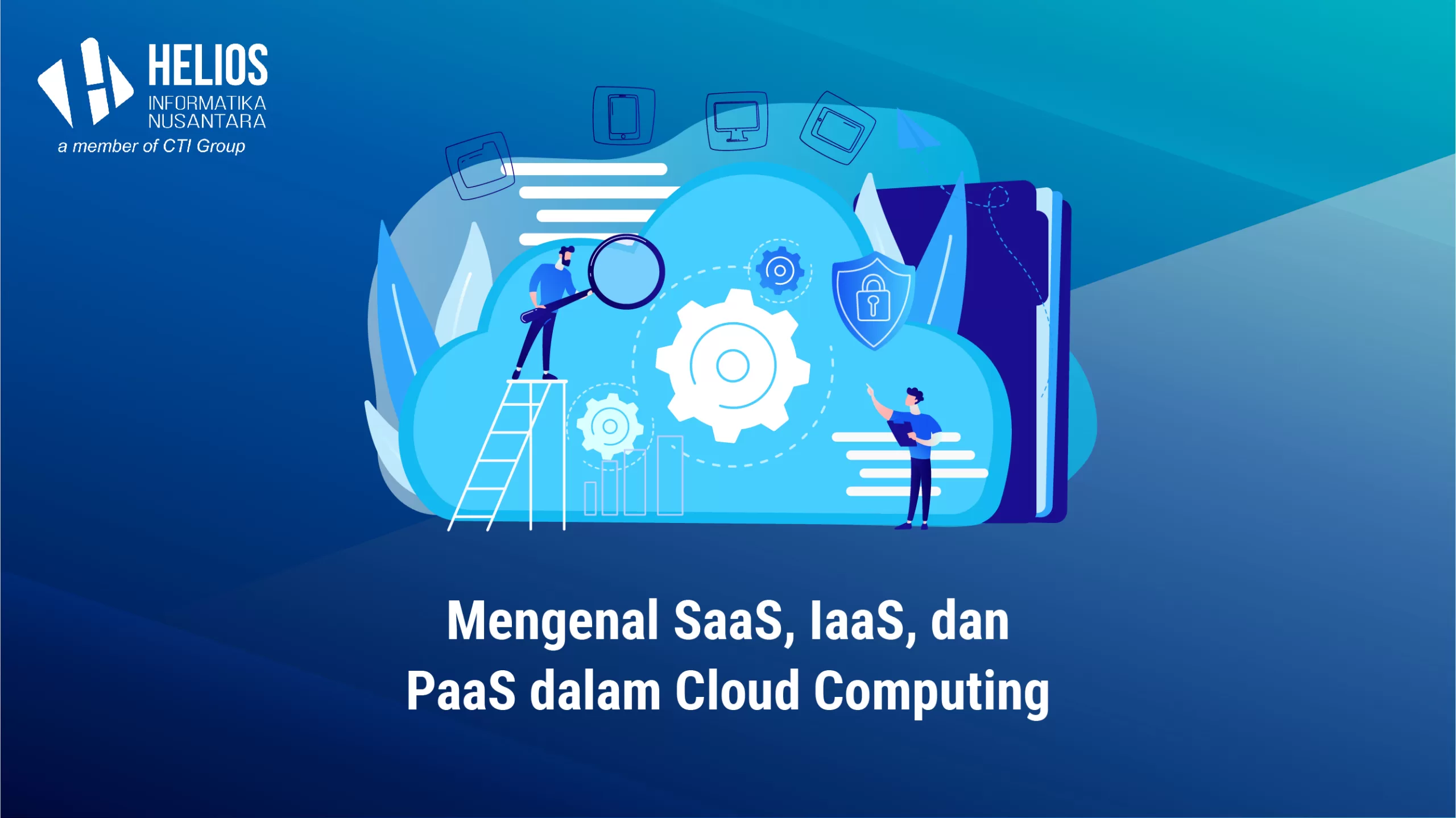
The current circulation of cloud computing has become one of the technologies that is very helpful in the business world. Cloud computing offers convenience for you to store data or access data from various locations online. Cloud computing is the practice of using different server network services to host, store, manage and process data online in the cloud.
If you want to start adopting cloud technology, at least you have to understand about the cloud service model. There are usually three cloud service models to compare namely Software-as-a-service (SaaS), Infrastructure-as-a-service (IaaS) and Platform-as-a-service (SaaS). This most common cloud computing service model has a variety of functions for every company need.
What are SaaS, IaaS and PaaS?
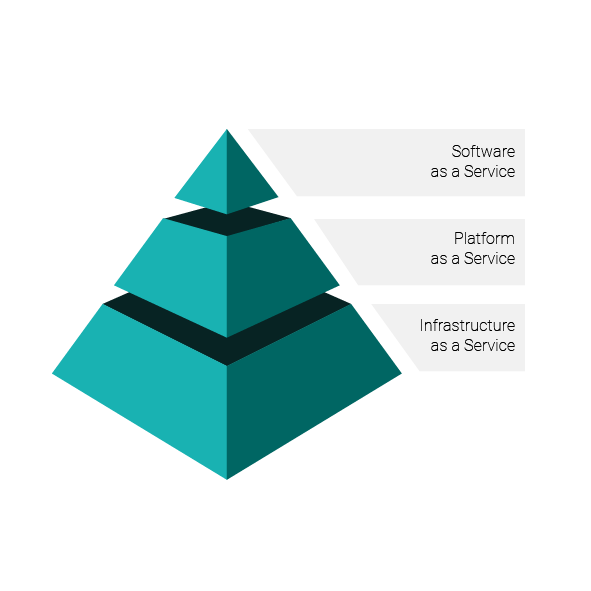
There is an understanding of the three types of service models from cloud computing namely SaaS, Iaas and PaaS as follows:
1. Definition of SaaS (Software as a Service)
The definition of SaaS or Software as a Service sourced from Techradar is a software that is used as an online service, this SaaS is also referred to as a Cloud application service. SaaS leverages the internet to run applications managed by third-party vendors. When using the SaaS service model, you need to use the application without having to understand the technical terms of the service. It’s like data storage and servers and device management. Because it is a service that has been provided by the service provider. One example of this SaaS cloud service model is Office 365.
2. Definition of IaaS (Infrastructure as a Service)
The definition of IaaS or Infrastructure as a Service is a type of cloud service model that is basically a physical server and virtual server. Buying additional hardware for IaaS is not necessary, because all the needs are already available in the cloud system. IaaS service providers provide cloud resources such as servers, networks, storage and data center rooms. IaaS is a service that allows you to use a server without the need to physically purchase computers and equipment, perform routine maintenance, and perform device configurations. One example of this IaaS service model is Microsoft Azure.
3. Definition of PaaS (Platform as a Service)
PaaS or Platform as a Service is a cloud service that is provided in the form of a platform and users can use it to create applications on it. PaaS provides a framework for developers that they can build on and use to create customized applications. When you use a PaaS model of service, all servers, storage and network are managed by the company or third party provider. But the developers can manage application management. One example of this PaaS service model is Microsoft Azure.
Characteristics of SaaS, IaaS, and PaaS
The characteristics of each cloud computing service model will help you determine whether the service you are using is SaaS, IaaS and PaaS.
1. SaaS Characteristics
To find out whether these services are included in SaaS, you must know the characteristics of SaaS as follows:
Managed from a central location
Services in the form of software make users not need to think about management, because the software is managed centrally.
Accessible via the internet
To be able to access it, users need an internet network. The use of software depends on the quality of the internet.
Service users are not responsible for hardware or software updates
Hardware or software updates are the responsibility of the service provider. Users simply use it without thinking about it.
2. IaaS characteristics
There are various characteristics that make IaaS easy to distinguish from other cloud services. The following characteristics of IaaS:
Resources are available as services
Fees vary, depending on the use of the company
Very scalable service
Accessible by multiple users on one device
The company has full control over its infrastructure
Great flexibility
3. PaaS characteristics
PaaS has many distinct characteristics from other cloud services. The following characteristics of PaaS:
Seamless integration with powerful web services and databases
Company-owned resources are easy to scale up and down as your business changes
Provides a variety of services to assist with application development, testing, and deployment
Accessible to multiple users through the same development application
When should SaaS, IaaS and PaaS be used?
Apart from the meaning and characteristics, there is a further difference between SaaS, IaaS and PaaS, which is when these three cloud service models should be used.
1. When Should SaaS Be Used?
Software as a Service is the most useful solution for some situations. However, it is best used by business startups or small companies that need to quickly launch e-commerce. This system from SaaS is also very supportive for companies that don’t have time to deal with server or software problems. Because this SaaS can be used according to needs.
2. When Should IaaS Be Used?
According to a source from Bigcommerce, Infrastructure as a Service offers many benefits for companies because it allows full accessibility of the company’s infrastructure. The less companies invest in hardware and IT infrastructure, IaaS can be used as a more secure alternative.
3. When Should PaaS Be Used?
Platform as a Service is often considered the most cost-effective and time-effective cloud service for developers in creating applications. This PaaS allows developers to focus more on the creative side of creating applications.
Advantages of SaaS, IaaS and PaaS
If you want to use these three cloud services, make sure you have to understand the advantages of each of these cloud services.
SaaS advantages
Software as a Service differs from the traditional cloud model in that applications are installed and configured automatically. Service users only need to focus on their data. The device needed to use the application is a gadget that is connected to an internet connection.
IaaS advantage
Infrastructure as a Service offers many advantages, namely:
Cloud system with the most flexible and dynamic service model
Purchase of services can be based on consumption
Resources can be purchased as needed
Easily automate storage deployments, networks, servers and processing power
Clients are in full control of their infrastructure
PaaS advantages
The advantages of Platform as a Service are:
Powerful and multitenant software
Simple and cost-effective application development and deployment
Easier migration to a hybrid model
Disadvantages of SaaS, IaaS, and PaaS
In addition to the advantages mentioned above, these three cloud service models also have disadvantages or drawbacks.
Disadvantages of SaaS
When you use SaaS, you cannot have complete control over the application services you use. Apart from that the disadvantages of SaaS are:
Interoperability
Lack of integration and customization support
Lack of data control and security
Feature limitations
IaaS loss
The disadvantage of the IaaS cloud services model is that you have to take care of your own OS, security, databases, etc. Because most service providers only provide servers and networks.
Disadvantages of PaaS
The disadvantage of the PaaS cloud service model is in the form of security problems. The security feature in this PaaS cloud computing is platform security. That means aimed at platform security not application security. So you have to keep in mind the security risks of your application.
That’s some information about SaaS, IaaS and PaaS. Find out our cloud service model via the link or contact a Helios representative at [email protected].