







The rapid development of technology today, actually triggers the emergence of elements to commit a crime. Cyber crime is one of the most dangerous crimes in cyberspace and a crime that uses technology as its main crime tool. Cyber crime that can be carried out individually or in groups aims to steal someone’s personal data, data from an agency, or company data.
There are various kinds of cyber crime. In this article, we will discuss one type of cyber crime, namely phishing. This phishing crime can usually attack victims via email, social media, phone calls, and SMS on behalf of popular applications or companies to obtain personal data.
What is Phishing?

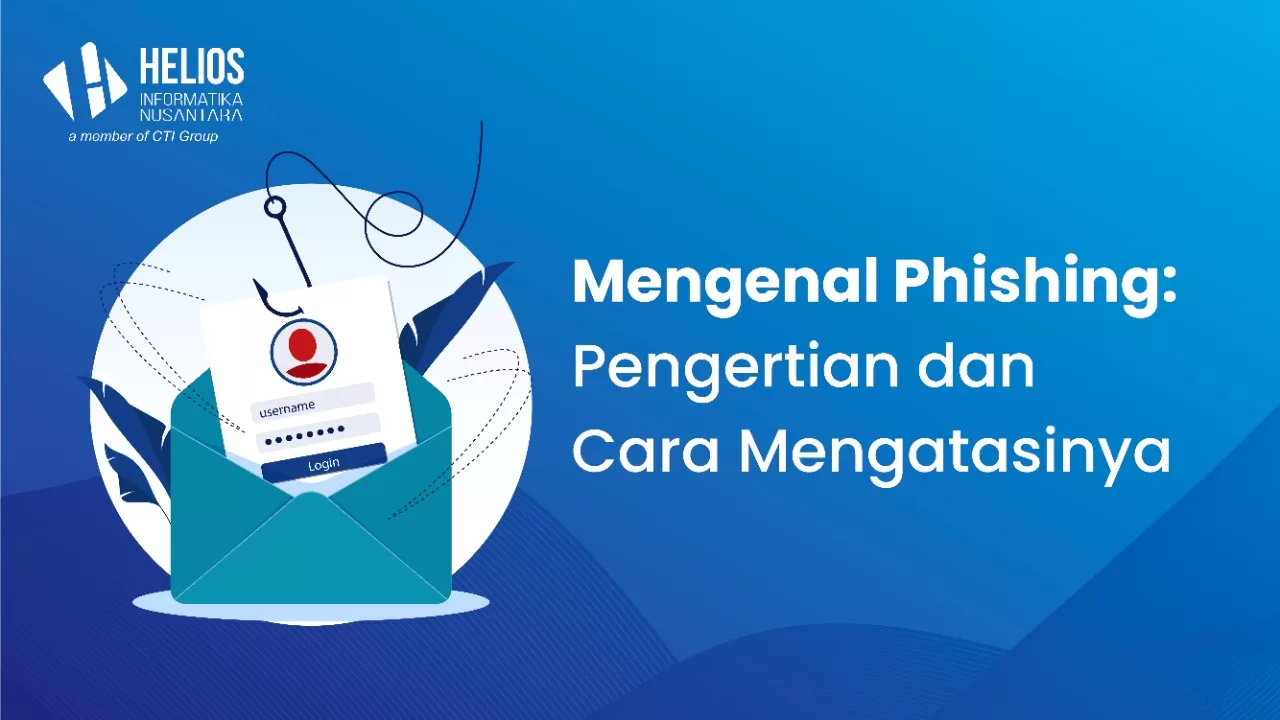
Source: Freepik.com
The word phishing is taken from the term “fishing” which means “fishing”. The purpose of phishing is to retrieve personal data, social media account data, and financial data such as credit card information and account numbers. The perpetrators of this phishing crime usually use fake e-mails that are almost similar to the original website, so that the victims are not suspicious and will not be aware.
Phishers carry out their actions by contacting the target via email. The perpetrator sends an email as if the application used has successfully entered another device. The perpetrator gives sentences that make you worry to provoke a reaction from your target. Thus, the target will be encouraged to open the email and re-verify it so that the account returns safely.
Through access to the victim’s account, phishing actors can gain access to email, personal data such as names, addresses, telephone numbers, and other personal data. This type of phishing cyber crime is carried out with the aim of seeking personal gain. The result will be detrimental to many parties.
Phishing Types
Phishing is divided into several types and techniques that are continuously carried out by cybercriminals, the types are as follows:
1. Spear Phishing
Spear Phishing is the act of sending emails containing forged website links.
2. Deceptive Phishing
Deceptive phishing occurs because the perpetrator claims or impersonates a representative from an official company that the victim knows and the perpetrator sends an email to the victim to discuss some information. Usually these emails ask for the victim’s data as follows:
- Account information verification
- Re-enter information, such as a login with a password
- Asking the victim to change the password
- Make a payment
After the information is entered by the victim, this deceptive phishing actor finally gets the information and can access the victim’s account and then use the sensitive information to steal credit card information, sell the victim’s information or exploit the victim’s sensitive information for profit.
3. Smishing
Smishing is a type of phishing that involves text messages or SMS. Often, this form of phishing involves text messages in SMS or phone numbers. Some people are aware of the security risks involved with clicking links in emails. But another thing if via text message or SMS.
4. Phishing whales
Whale phishing or whaling is a type of phishing that is carried out by targeting a specific individual. For example, targeting a business owner, company CEO, or people in high positions. This crime is used to gain greater profit for the perpetrators.
5. Web Phishing
Web phishing is done by using fake websites to deceive victims. The given website is very similar to the original website, making it difficult for victims to distinguish. The perpetrator will send content that is persuasive, so that the victim is interested in opening the fake website. After that, the perpetrator asks for personal information that leads to the installation of a malware virus.
Tips To Not Be A Victim Of Phishing
As a user of certain platforms, you can do some tips to avoid phishing crimes, here are some tips you should do:
- Always update information regarding phishing crimes
- Always check who sent the email
- Do not carelessly click on the received link
- Ensure the security of the websites accessed
- Use the latest version of the browser
- Stay alert if asked for personal data, don’t believe it right away
- Check your online account regularly
- Use two-factor authentication
- Perform periodic malware scans on your PC or laptop
Realizing how important the role of network security is in preventing various types of cyber crime including phishing attacks, Helios provides a Next Generation Application Firewall (NGAF) solution from Sangfor. Although basically no network is immune from cyber attacks, choosing the right partner can make your company’s security system more stable and efficient. Thus, the company’s efforts to protect important company data and information are maximized.
In this case, Helios is here to offer Sangfor NGAF which can help protect and maintain your company’s computer network. Entrust the security of your company’s network and data to Helios Informatics. For more information about Sangfor NGAF, please visit us on our website or contact us via [email protected].